
*This post may contain affiliate links for which I earn commissions.*
There’s a kind of freedom that comes with heading off the grid. No buzzing phones, no email dings, no scrolling. Just the sound of birds, wind through the trees, maybe a pot of coffee on the fire. But let’s be honest—completely unplugging doesn’t always feel practical, especially as we get older. Whether it’s checking in with family, navigating backcountry roads, or keeping tabs on weather, a little connection can go a long way.
I used to think bringing tech into the outdoors defeated the purpose. But over the years, I’ve found a few tools that quietly do their job without pulling me out of the moment. They keep me safe, let me check in without drama, and help me stay longer in places where cell towers don’t reach.
In this post, I’ll walk through the simple tech I use when I’m off the grid—solar chargers, satellite messengers, weather radios, and a few offline tools. Nothing flashy. Just the stuff that works.
Power That Doesn’t Depend on an Outlet
The first rule of off-grid tech: if it doesn’t have power, it doesn’t help you.

I’ve been using a solar charger for years now, and it’s one of the handiest things in my pack. Mine is the BigBlue 28W Solar Charger. It folds up like a small book and fits in my daypack. I just unfold it, clip it to the back of my chair or tent, and let the sun do its thing. It charges my phone and my rechargeable headlamp without much fuss.

Now, a solar charger gives you power during the day, but if you want to charge your phone at night, you’ll also want a small battery bank. The Anker PowerCore 10000 is a good one—small, simple, holds enough power to fully recharge a phone two or three times.
You don’t need a full solar setup with panels and batteries to make off-grid trips comfortable. These two little tools are all I’ve needed for weekend outings and multi-day hikes alike.
Quiet Communication: Satellite Messengers That Work
Here’s the truth: no matter how seasoned you are, things can go wrong out there. Slipped foot on a wet trail. Sudden storm. Missed turn in unfamiliar woods. A satellite messenger gives you a way to reach help—or just reassure your family you’re still enjoying yourself.
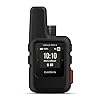
I carry a Garmin inReach Mini 2. It’s no bigger than a deck of cards, clips right to my belt or backpack, and lets me send preset messages (like “All good at camp” or “Running late but fine”). If I ever need it, there’s also an SOS button that connects to a 24/7 emergency response center.
I don’t use it to chat. I use it to check in once a day, or just as backup if something goes sideways.
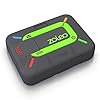
A more affordable alternative is the Zoleo Satellite Communicator. It works with your phone and gives you basic messaging and emergency coverage. Not quite as rugged as the inReach, but it gets the job done.
You’ll need a subscription plan with either of these, but if you’re spending regular time off-grid, it’s a worthwhile bit of peace of mind.
The Weather Still Matters
When you’re far from a cell signal, knowing what weather’s coming is a big deal. I’ve learned this the hard way—one too many nights spent tying down a tarp in a thunderstorm I didn’t see coming.
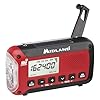
I started carrying a NOAA weather radio, and I haven’t looked back. My favorite is the Midland ER50. It has a hand crank, a solar panel, a flashlight, and it picks up emergency weather alerts even deep in the woods. It doesn’t weigh much, and it’s saved me more than once.
You don’t need to listen to it all day—just flip it on in the morning or evening, check for alerts, and go on about your business.
Smart Tools That Work Without a Signal
Sometimes, the best tech isn’t fancy—it’s just well-planned.
Before I head out, I load up a few offline apps on my phone:
- Maps.me – Free offline maps, great for trails and forest roads
- Gaia GPS – More advanced maps, especially for elevation or hunting areas
- Google Translate (Offline Mode) – Handy for trips south of the border
And as a backup, I carry a paper map and compass. Old habits die hard—and sometimes, they’re the habits that keep you out of trouble.
A Simple Routine to Stay Connected Off the Grid
This is the quick system I use before and during any off-grid trip:
✅ Pre-Trip Setup:
- Fully charge phone, radio, power bank, and satellite messenger
- Download offline maps and emergency contacts
- Pack your solar charger and test the cables
- Set preset messages on the Garmin or Zoleo
- Check the forecast for where you’re going
- Leave a trip plan with someone back home (where, when, expected return)
🏕 At Camp:
- Set up your solar charger early (ideally in morning sun)
- Check weather radio once a day for alerts
- Send one check-in message per day (quick, calm, simple)
A Few Tools I Trust (Affiliate Picks)
These are items I use personally or have tested on the trail. If you buy through the links below, it helps support RusticEase—at no extra cost to you.
- BigBlue 28W Solar Charger
View on Amazon » - Anker PowerCore 10000 Battery Bank
View on Amazon » - Garmin inReach Mini 2
View on Amazon » - Zoleo Satellite Communicator
Visit Amazon » - Midland ER210 Emergency Radio
View on Amazon »
Final Thoughts: The Right Tools, Not More Tools
Getting off the grid doesn’t mean cutting yourself off. It means choosing what kind of connection you want—and when you want it. A few smart tools let you explore farther, stay longer, and enjoy the outdoors with a little more confidence.
You don’t need to be tech-savvy to use this gear. Just pick what makes sense for you, test it out at home, and keep it simple. That’s what RusticEase is all about—natural comfort, steady pace, and time well spent.