
*This post may contain affiliate links for which I earn commissions.*
As we get older, the call of the wild doesn’t fade—but our tolerance for hauling heavy gear sure does. I know mine does.
Back in my 30s and 40s, I didn’t think twice about lugging a 50-pound pack through the woods or sleeping on the cold ground with a crumpled jacket as a pillow. These days? Not a chance. I still love being out under the stars, but now I do it with comfort and longevity in mind. My back, knees, and shoulders thank me for it—and yours will too.
This post is all about smart, lightweight camping gear that’s easier on your body. If you’re retired or just moving slower than you used to, this guide is for you. We’ll cover the key essentials—packs, sleeping gear, chairs, and more—that let you enjoy the outdoors without waking up sore or stiff. Because camping should feel good, not like a chore.
Why Lightweight Gear Matters More After 50
Let’s be honest—most camping gear is designed for younger folks who think discomfort builds character. That’s fine when you’re 25. But once you hit your 50s or 60s, your priorities shift. You want equipment that works—not just what’s trendy or ultralight for the sake of it.
I’ve found that carrying less weight lets me hike longer, rest better, and enjoy the experience more. It also helps avoid those next-day regrets (hello, ibuprofen). But lightweight doesn’t mean flimsy. The gear we’ll talk about here is built for comfort and support—just without the unnecessary bulk.
This isn’t about roughing it anymore. It’s about easing into nature, not wrestling with it.
Packs That Don’t Pull You Down
Your backpack is your base. If it’s uncomfortable or overloaded, you’ll feel it in your back, hips, and shoulders within the first half-mile.
What to look for:
- Padded hip belts that carry weight on your hips, not your spine
- Internal frame designs for balance and stability
- Ventilated back panels to reduce sweat and chafing
- 30–45 liter size for short trips — big enough for essentials without overpacking
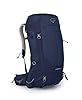
What I use:
I switched to the Osprey Stratos 36 a couple years ago, and it’s been a game-changer. It’s light (under 3.5 lbs), but structured enough to support a weekend’s worth of gear. The adjustable harness is great for dialing in fit, and the airflow panel keeps things cool on warmer hikes.
Tip: Lay everything out before packing. If it doesn’t serve a purpose or bring you comfort, leave it behind.
Sleep Systems That Won’t Wreck Your Morning
Sleeping on the ground doesn’t have to feel like punishment. These days, there are plenty of options that protect your back and let you wake up refreshed.
Three good options:
- Sleeping pad – For the lightest option, go with a self-inflating pad that’s at least 2 inches thick and full-length.
- Camping cot – If you’re car camping or don’t mind extra bulk, a cot lifts you off the ground completely.
- Inflatable sleeping pad with a low-profile camp bed frame – Best of both worlds: portable but supportive.

What I trust:
The Therm-a-Rest Trail Pro self-inflating pad gives solid back support without being bulky. It’s over 3 inches thick when inflated but rolls down small.
I pair it with the Helinox Cot One Convertible, which is surprisingly light (just over 5 lbs) and takes pressure off my hips and lower back.

Don’t forget a good pillow. Even a small, packable one can make a big difference. I use the Trekology Aluft 2.0, which inflates in seconds and cradles the neck well.
Camp Chairs That Actually Support You
The old days of sitting on a log or rock? Overrated. A good chair lets you rest comfortably, enjoy your surroundings, and protect your posture.
Look for:
- Low weight, high strength (aluminum frames are great)
- Lumbar support or a natural reclining angle
- Easy to pack and set up
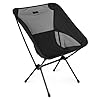
My favorite:
The Helinox Chair One XL hits the sweet spot between comfort and portability. It weighs just under 4 lbs but holds up to 320 lbs. I keep it stashed in my truck or clipped to my pack for longer trips.
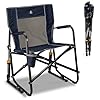
If you’re mostly staying near your vehicle, the GCI Outdoor Freestyle Rocker adds a bit of luxury. Heavier, but worth it for front-porch comfort at the campsite.
A Simple Setup That Works: Lightweight Camping Routine
If you’re not sure where to start, here’s a basic framework I use for packing light and protecting my back:
The “Ease & Support” Checklist:
- Osprey Stratos 36 Backpack — under 4 lbs with great support and ventilation
- Kelty Late Start 2 Tent — easy to set up, roomy enough to avoid crawling and crouching
- Therm-a-Rest Trail Pro Sleeping Pad — 3+ inches of cushion, self-inflating
- Helinox Chair One XL — light but sturdy, excellent back support
- Black Diamond Trail Trekking Poles — reliable, adjustable, with padded wrist straps
- MSR PocketRocket 2 Stove Kit — compact and simple one-pot cooking system
- Hydrapak Seeker 3L Water Storage Bag — lightweight, packable, easy to refill
- Trekology Aluft 2.0 Inflatable Pillow + Wise Owl Outfitters Camping Blanket — warm, compact, and cozy
- Adventure Medical Sportsman Series First Aid Kit — includes wraps, meds, and supplies for sore joints and muscle strains
- Black Diamond Spot 400 Headlamp — bright, easy to use, and hands-free
Start small—try this setup on a short overnight trip close to home. Tweak what doesn’t work. Comfort and simplicity always win.
Gear That Serves You, Not the Other Way Around
Getting older doesn’t mean you have to stop camping. It just means camping smarter. There’s no badge for carrying the heaviest pack or sleeping in misery. The real win is being out there, relaxed and well-rested, soaking in the sunrise with a cup of campfire coffee and no regrets.
So treat your back (and your future self) with respect. Choose gear that supports you—not stuff that weighs you down. The wild isn’t going anywhere, and there’s still plenty of time to enjoy it in comfort.